
Planning a new turnout at an industrial facility
What a plant owner should settle before adding a switch: the tie-in location, turnout standard, material supply, grade, drainage, and the loading schedule.
- Published
- Reading time
- 3 min
The short answer
Before adding a turnout, fix the tie-in location on a track plan, confirm the turnout standard the serving railway or owner requires, decide who supplies the switch material, and plan the grade, drainage, and surfacing around it. Then schedule the tie-in around loading so cars can be held clear of the work.
A new turnout lets a plant add a track, a loading position, or a second way in and out of the yard. It is also the part of an industrial track project where small planning gaps cost the most, because the work ties into track that is already in service. Settle the questions below before inviting bids, and the proposals you get back will be easier to compare.
Fix the tie-in on a track plan
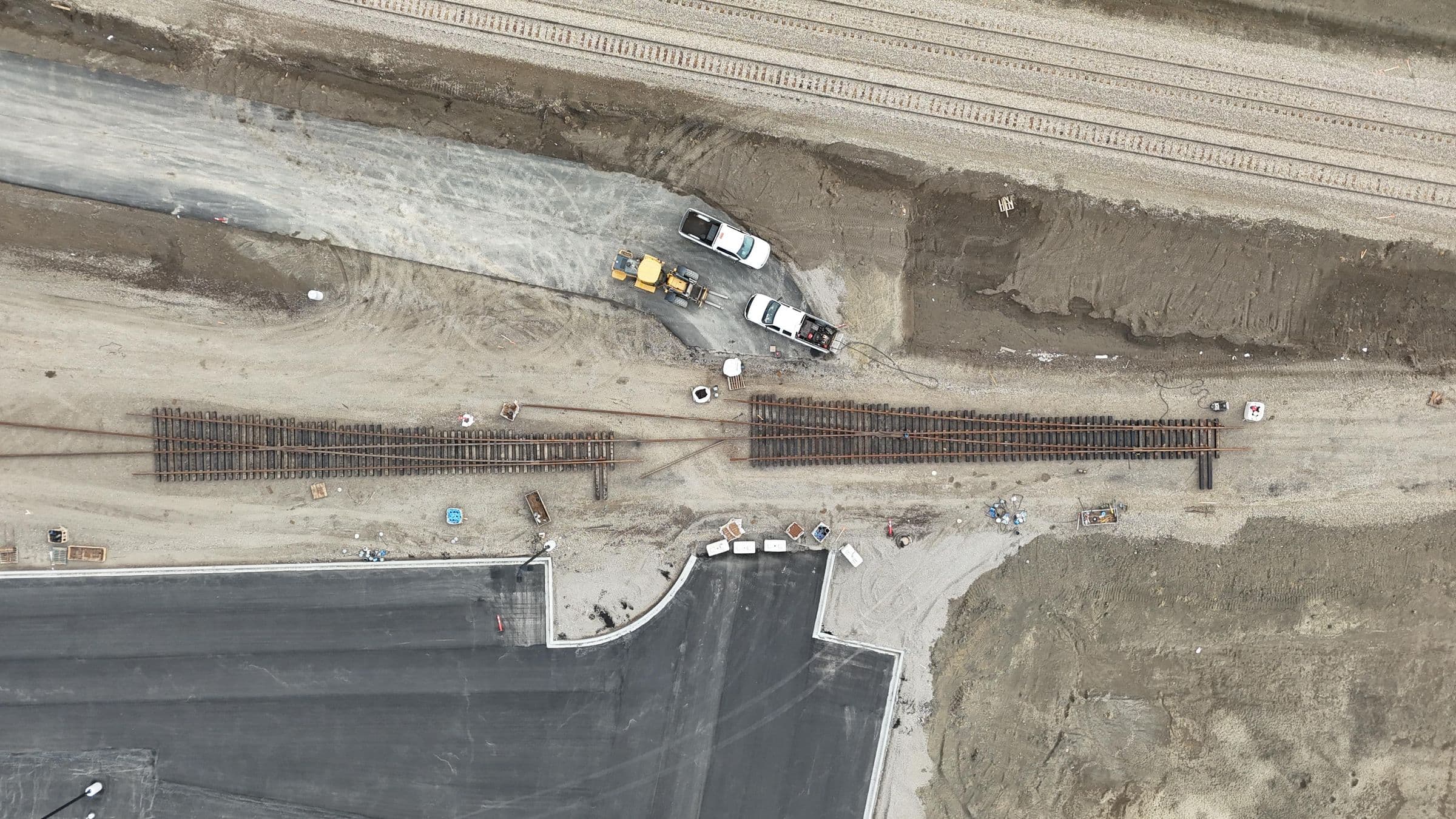
Mark where the new turnout will connect, which way it diverges, and what the new track serves. Show the clearances to buildings, load-out structures, crossings, and other turnouts. A sketch on an aerial photo is enough to start, but the contractor and the serving railway will need a dimensioned plan before work is booked.
If the connection affects a serving railway's track, its requirements apply. Ask the railway early what it needs to see and who must approve the tie-in.
Confirm the turnout standard
Turnouts come in different sizes and designs, and the right one depends on the track it joins, the cars and locomotives that will use it, and the owner's or railway's standards. State the standard in the request for proposal rather than leaving each bidder to assume one.
Decide who supplies the material
Switch material can come from the owner or the contractor. Either works, but the bid must say which, and it should list the ties, plates, fastenings, rail, and ballast that go with it. Lead times on switch material can set the whole schedule, so settle supply before the work window is fixed.
Plan the grade, drainage, and surrounding track
A turnout holds its geometry only as well as the ground under it. Include grade preparation and drainage in the scope, and look at the condition of the track on either side of the tie-in. Connecting a new switch to worn track often means rehabilitating the approaches at the same time.
Finish with surfacing. Tamping and lining bring the turnout and its approaches to line and surface before the track returns to service. Read what track surfacing fixes for where surfacing helps and where it does not.
Schedule the tie-in around loading
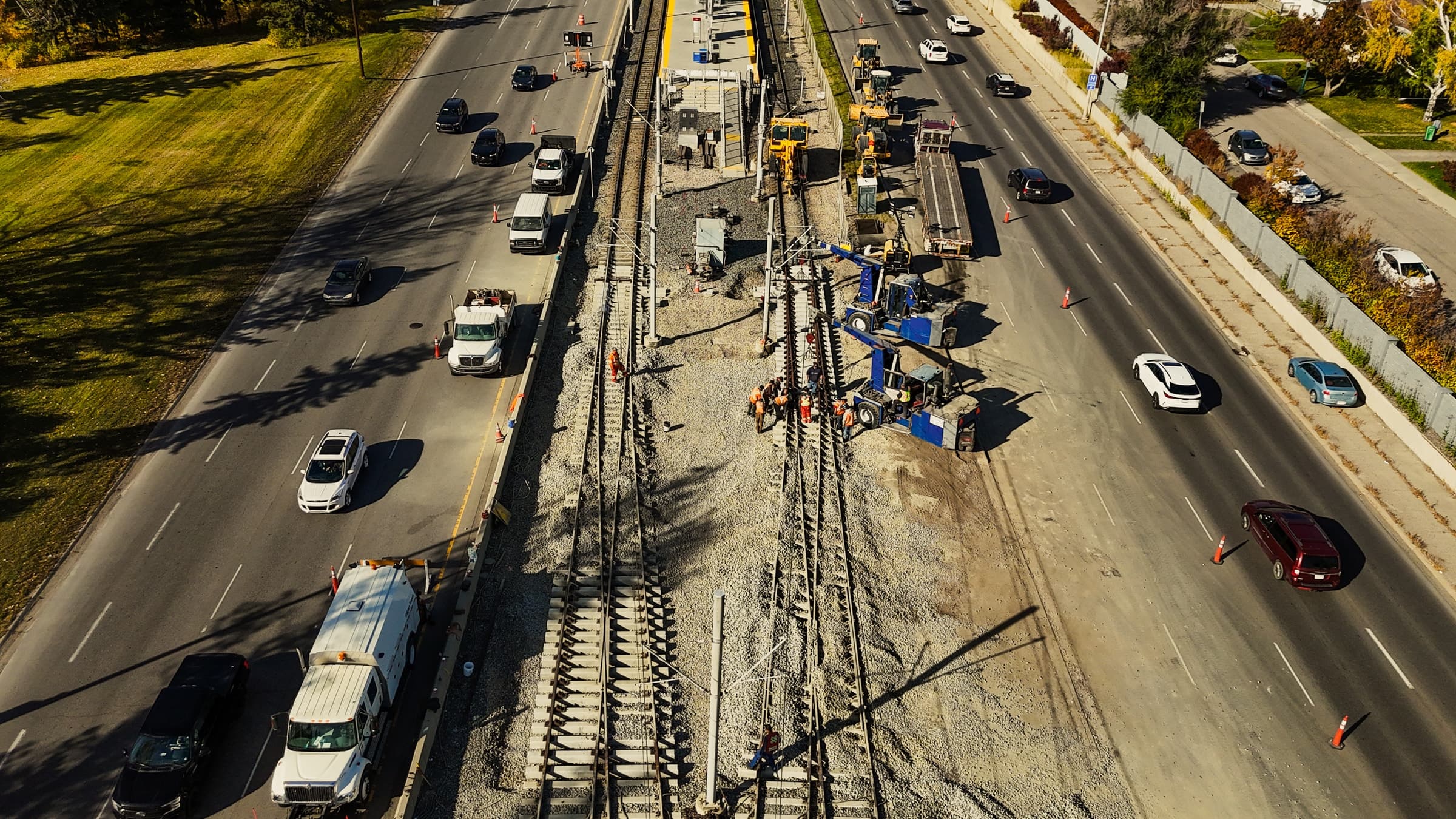
The connection to live track is usually the shortest and busiest part of the job. Agree with operations when cars can be held clear, how long the track can be out of service, and what has to be ready before it reopens. Much of the assembly can be done beside the track first, which keeps the out-of-service window short.
Ask for clear acceptance steps
Ask bidders to describe how the finished turnout will be inspected and handed back, and what records you will receive. Inspection and acceptance requirements come from the owner and, where it applies, the serving railway.
What this looks like on site
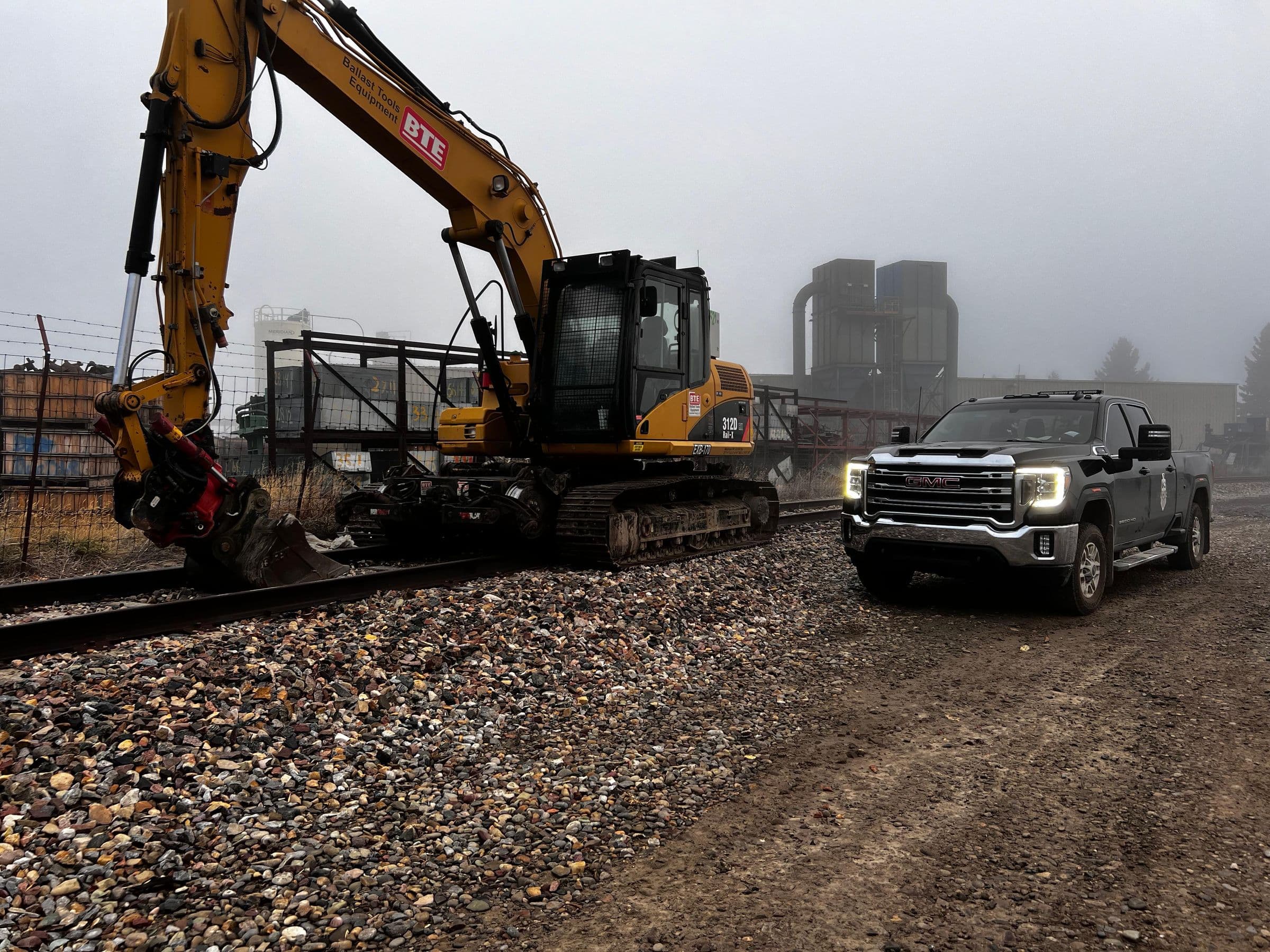
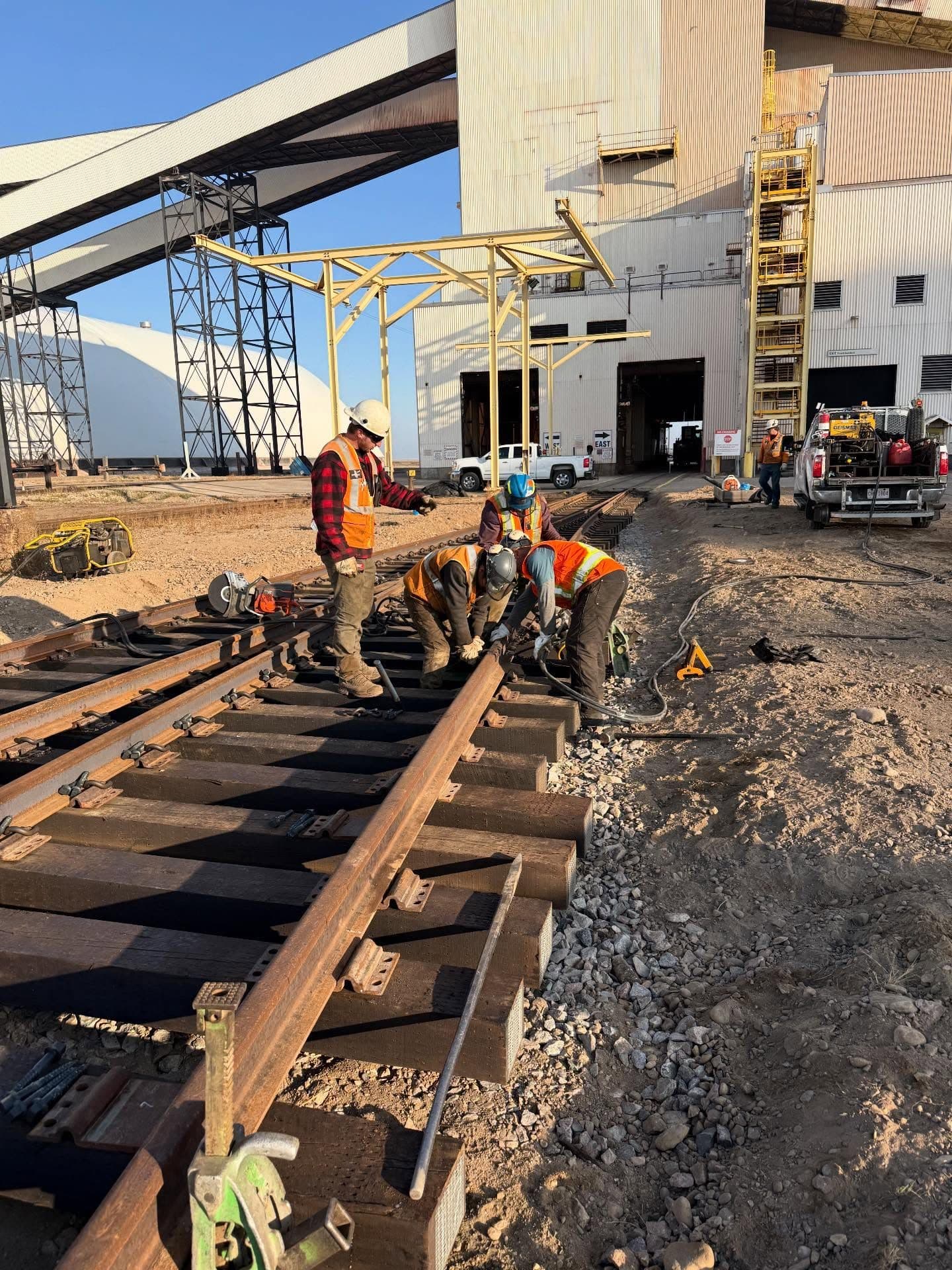
In late 2025 an Ironhorse crew installed two new switches at an industrial plant in Vanscoy, Saskatchewan, together with grade work and rehabilitation of the connecting track. The Vanscoy project page shows the crew cutting rail, assembling and fastening the switches on new ties, and loaders working the grade.
Next steps
Ironhorse's new track construction and track rehabilitation pages describe the work to discuss. When the track plan, turnout standard, and material supply are settled, send a project brief with your target dates.
Sources and further reading
- Ironhorse on Instagram: Vanscoy, SK switch installs, grade work and track rehab
- Transport Canada: Rules Respecting Track Safety
Planning guidance for owners and procurement teams. Confirm site conditions, applicable jurisdiction, and the track owner's current requirements with qualified personnel before work begins.
Turn the plan into a project brief.
Gather the location, condition information, access windows, and scope before requesting a bid.
Common questions
How long does it take to install a turnout?
It depends on the turnout size, whether the material is pre-assembled, the grade and drainage work needed, and how long the track can be taken out of service. Confirm the work window with the contractor once the scope and material supply are settled.
Who supplies the switch material?
Either the owner or the contractor can, but the bid should say which. Material lead times can drive the schedule, so settle supply before the work window is booked.